
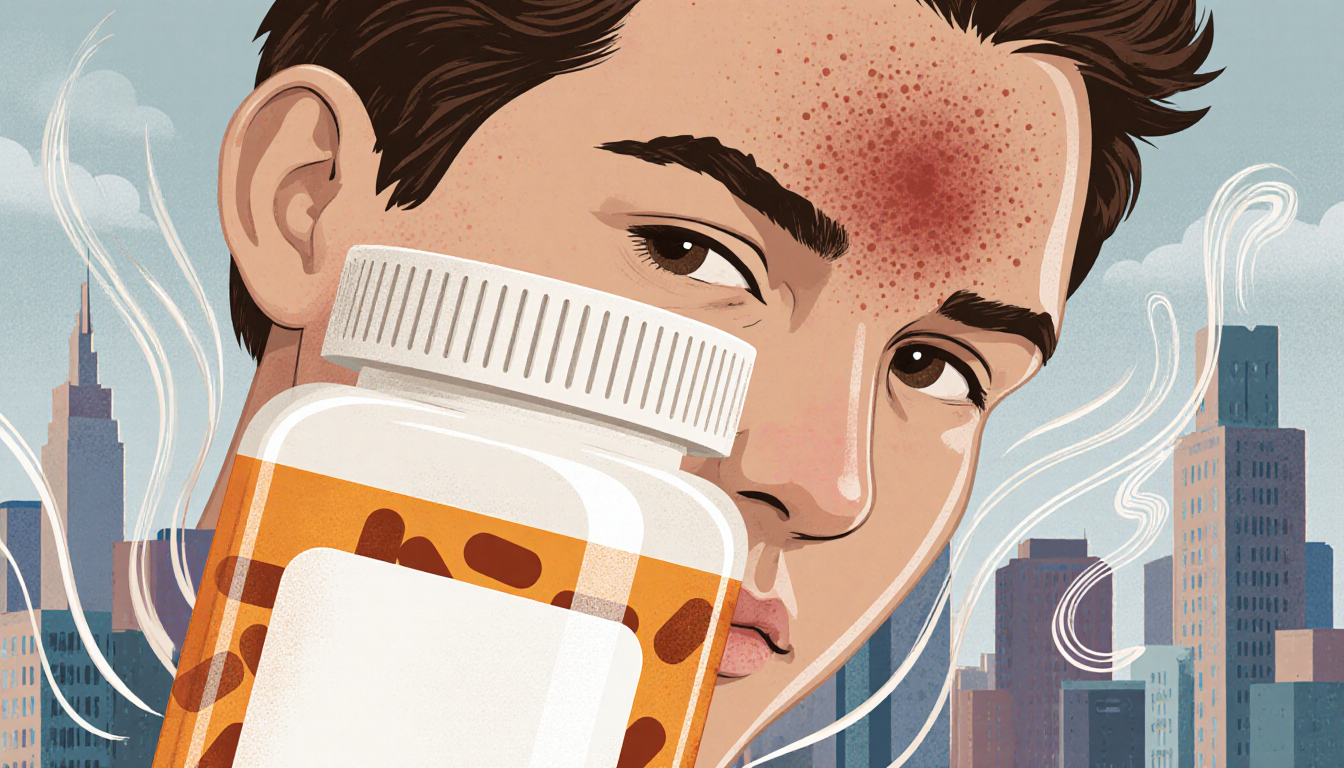
When a prescription pill that promised relief turns into an unwanted facial fireworks show, you’re not alone. Many patients find themselves staring at the mirror, wondering why their skin has decided to throw a tantrum while their body is supposed to be healing. This article dives into the science behind medication‑induced acne, offers practical ways to tame the breakouts, and reminds you that you can still rock that confident glow—even if your doctor’s orders are a bit rash.
Why medication can be a double‑edged sword
Have you ever taken a pill and felt the relief, only to wake up with a new rash or a line of pimples? It’s a classic case of the body’s chemistry dancing to a tune it didn’t ask for. Certain drugs—steroids, antiepileptics, hormonal therapies, and some antibiotics—can trigger excess oil production or inflammation. The result? A sudden spike in acne that feels like a betrayal from your own medicine cabinet.
Common drugs that trigger breakouts
- Corticosteroids (prednisone, dexamethasone)
- Antiepileptics (phenytoin, carbamazepine)
- Hormonal treatments (birth control pills, testosterone boosters)
- Some antibiotics (minocycline, doxycycline)
- Statins (atorvastatin, simvastatin)
How the body reacts
When these medications flood the bloodstream, they can overstimulate sebaceous glands. The excess sebum mixes with dead skin cells, clogging pores and inviting bacteria. The body’s inflammatory response then turns the clogged pores into red, swollen acne lesions—like a tiny, unwanted storm brewing on your skin.
Spotting the signs early
Recognizing the tell‑tale signs can help you intervene before the breakouts become a full‑blown drama.
When to suspect medication‑related acne
- Breakouts appear shortly after starting a new drug
- The acne is unusually persistent or resistant to over‑the‑counter treatments
- You notice a pattern—flare‑ups coincide with dosage changes or drug holidays
If you’re in this situation, don’t wait for the dermatologist’s appointment; start monitoring your skin’s response right away.
Strategies for Managing the Condition
Once you’ve identified that medication is the culprit, the next step is a proactive plan. Think of it as a recipe: a dash of good hygiene, a pinch of lifestyle tweaks, and a splash of professional advice.
Skin‑care routine tweaks
- Gentle cleansing: Use a mild, fragrance‑free cleanser twice daily.
- Non‑comedogenic moisturizers: Opt for lightweight, oil‑free options.
- Targeted spot treatments: Benzoyl peroxide or salicylic acid can reduce inflammation.
- Sun protection: A broad‑spectrum SPF 30+ keeps skin from getting extra irritated.
Lifestyle adjustments
- Balanced diet: Reduce sugary foods and dairy; incorporate omega‑3 rich items.
- Stress management: Yoga, meditation, or even a good laugh can lower cortisol, a known acne trigger.
- Adequate sleep: Aim for 7–9 hours to let skin repair itself overnight.
Medical options and consultations
- Topical retinoids: Promote cell turnover and prevent clogged pores.
- Oral antibiotics: Short courses may help when topical treatments fail.
- Hormonal therapy review: Adjusting dosage or switching formulations can mitigate side‑effects.
- Dermatologist referral: A specialist can prescribe stronger medications or consider laser therapy.
When to Seek Professional Help
While home remedies work wonders for many, some situations require a professional touch.
Red flags to watch
- Severe inflammation: Large, painful cysts that don’t respond to OTC products.
- Rapid spread: Acne covering large areas of the face or body.
- Discoloration: Persistent dark spots or scarring that persists beyond a month.
- Systemic symptoms: Fever or swelling that suggests an allergic reaction.
If any of these appear, book an appointment—your skin deserves a specialist’s care.
A Light‑Hearted Take: Turning Breakouts into Confidence
It’s easy to feel self‑conscious when the mirror reflects a patchy canvas. But remember: even the most stubborn acne can be a temporary chapter, not the whole story. As one dermatologist once quipped, “Your skin’s reaction is just a reminder that you’re alive—just a little too passionately so.”
Anecdote
Last year, a patient named Maya began a new antiepileptic medication. Within two weeks, her cheeks looked like a watercolor painting gone wrong. Instead of sulking, she decided to embrace the chaos. She started a “pimple diary,” noting when each breakout appeared, what she ate, and how she felt. The diary not only helped her track patterns but also turned into a humorous Instagram series that went viral—proof that a little humor can turn a frustrating experience into a shared moment.
Final Thoughts – Taking Charge of Your Skin Journey
Managing acne disease caused by medication side effects is a collaborative effort between you and your healthcare team. By staying observant, adjusting your routine, and seeking professional guidance when needed, you can keep those breakouts in check and maintain confidence. Remember, your skin’s reaction is just one chapter in your health story—write the next page with informed choices and a dash of optimism. If you’re ready to take control, start by reviewing your current medications with your doctor and exploring the strategies outlined above. Your future self will thank you for the clarity—and the clearer complexion.
Leave a Reply