


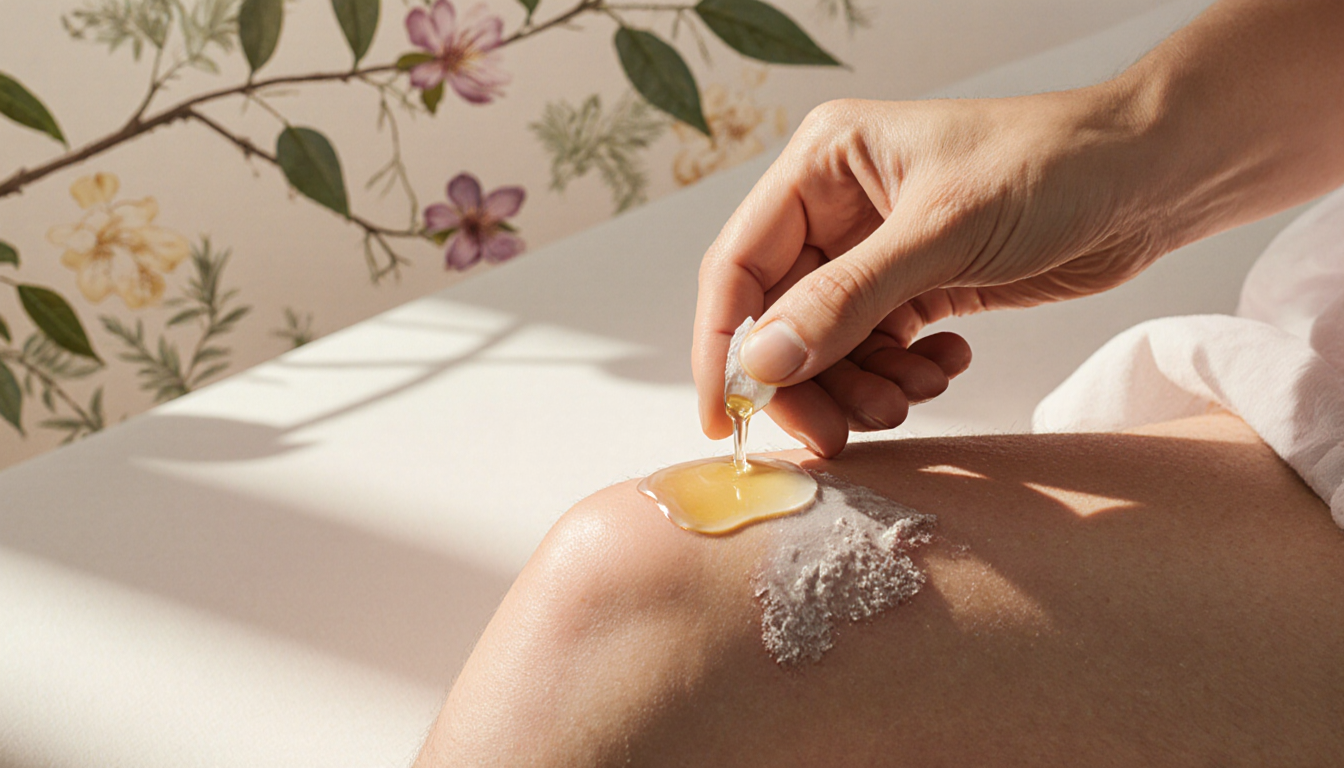
Living with psoriasis can feel like a perpetual battle with an uninvited guest who never leaves. The itchy, scaly patches appear at the most inconvenient times, turning everyday moments into a reminder that your skin has a mind of its own. If you’re tired of the endless cycle of prescription creams and costly treatments, you’re not alone. Many people are turning to psoriasis natural remedies that work—and surprisingly, nature often has more tricks up its sleeve than we think.
—
Understanding the Skin Battlefield
Before we dive into remedies, let’s take a quick inventory of what’s happening under the surface. Psoriasis is an autoimmune condition where the immune system over‑activates skin cells, causing rapid cell turnover. The result? Thick, red patches that can feel like a second layer of skin has taken over.
You might wonder: Why do natural remedies seem to work when pharmaceuticals don’t? The answer lies in the holistic approach of nature: it targets inflammation, moisturizes, and supports the skin’s barrier—all at once. Think of it as a three‑step dance where each move complements the next.
—
1. Topical Allies: Oils and Creams
A. Coconut Oil – The Moisture Marvel
Coconut oil is often the first line of defense in the natural remedy arsenal. Its high medium‑chain fatty acids help restore the skin’s barrier, while its anti‑inflammatory properties soothe irritation. A quick anecdote: my friend Maya swore by coconut oil after a stubborn flare on her elbows. She swiped a thin layer, left it overnight, and woke up with noticeably smoother skin. “It’s like a spa day for my skin,” she laughed.
**Why it works:
- Emollient properties lock in moisture.
- Lauric acid reduces inflammation.
- Antimicrobial effects** prevent secondary infections.
B. Olive Oil – The Mediterranean Secret
Olive oil, especially extra‑virgin, contains polyphenols that fight oxidative stress. A simple routine: warm a small amount, apply to the affected area, and let it sit for 10–15 minutes before rinsing. The oil’s gentle texture makes it ideal for sensitive skin.
C. Shea Butter – The Butter‑but‑Better
Shea butter is a rich source of vitamins A, E, and F. It’s perfect for thicker patches and can be mixed with essential oils for added benefits. The combination of fatty acids and antioxidants makes shea butter a formidable ally against psoriasis.
—
2. Herbal & Dietary Tweaks
A. Turmeric – The Golden Anti‑Inflammatory
Turmeric’s active compound, curcumin, is a powerhouse anti‑inflammatory agent. Incorporate it into meals or brew a tea: add a pinch of black pepper to enhance absorption. A short quote that resonates here: “The only way to do great work is to love what you do.” – Steve Jobs. Loving the process of healing can be just as important as the ingredients.
B. Omega‑3 Fatty Acids – The Fishy Friend
Omega‑3s, found in fatty fish, flaxseed, and walnuts, help reduce systemic inflammation. A daily dose of 1–2 grams can make a noticeable difference in flare frequency. Think of omega‑3s as the calming wind that eases a stormy sky.
C. Probiotics – The Gut‑Skin Connection
A balanced gut microbiome supports skin health. Yogurt, kefir, or a probiotic supplement can help maintain that balance. Remember, your gut is the backstage crew that keeps the show (your skin) running smoothly.
—
3. Lifestyle Adjustments That Complement
A. Stress Management – The Calm in the Chaos
Stress triggers flare‑ups by releasing cortisol, which can aggravate inflammation. Techniques like mindfulness, yoga, or simple breathing exercises can keep cortisol levels in check. A rhetorical question: Wouldn’t you prefer a calmer mind to soothe your skin?
B. Sunlight Exposure – The Natural Vitamin D Booster
Short, controlled sun exposure (10–15 minutes, a few times a week) can improve psoriasis symptoms. However, always use sunscreen afterward to prevent skin damage. Think of sunlight as a gentle reminder that nature can be both a healer and a protector.
C. Avoiding Triggers – The Red‑Flag List
Common triggers include smoking, alcohol, and certain medications. Identifying personal triggers is like finding the hidden knobs on a remote control; once you turn them off, the show goes on without interruptions.
—
4. DIY Treatments You Can Try at Home
A. Oatmeal Baths – The Soothing Stew
A warm bath with colloidal oatmeal can calm itching and reduce inflammation. Add a cup of oats to the water, stir, and soak for 15–20 minutes. The texture is like a gentle lullaby for your skin.
B. Aloe Vera Gel – The Green Gel
Aloe vera’s cooling effect soothes redness and moisturizes. Apply fresh gel directly to the patches. The gel’s polysaccharides help repair damaged skin cells, making it a staple in many natural remedy playlists.
C. Apple Cider Vinegar – The Acidic Balancer
Dilute apple cider vinegar with water (1:3 ratio) and apply to itchy areas. Its acidity helps balance skin pH and can reduce bacterial growth. A quick tip: test on a small patch first to ensure no irritation.
—
5. When to Seek Professional Guidance
Even the best natural remedies should be part of a broader care plan. If you notice worsening symptoms, severe pain, or signs of infection, consult a dermatologist. Think of natural remedies as the supportive crew, while the dermatologist is the director ensuring the show stays on track.
—
Making Your Selection Count
Choosing the right natural remedy is a bit like picking the right pair of shoes for a long walk: comfort, support, and style all matter. Start by identifying which approach feels most appealing—whether it’s a soothing oil, a dietary tweak, or a lifestyle change. Keep a simple journal: note what you use, when you use it, and how your skin responds. Over time, patterns will emerge, and you’ll be able to fine‑tune your routine.
Remember, the journey to smoother skin is rarely a straight line; it’s more like a winding trail with occasional detours. Embrace the process, celebrate small victories, and keep your eye on the horizon. After all, a calm mind and a nourished body are the best allies against psoriasis.
—